10 Fireplace Designs That Bring Warmth & Style Home

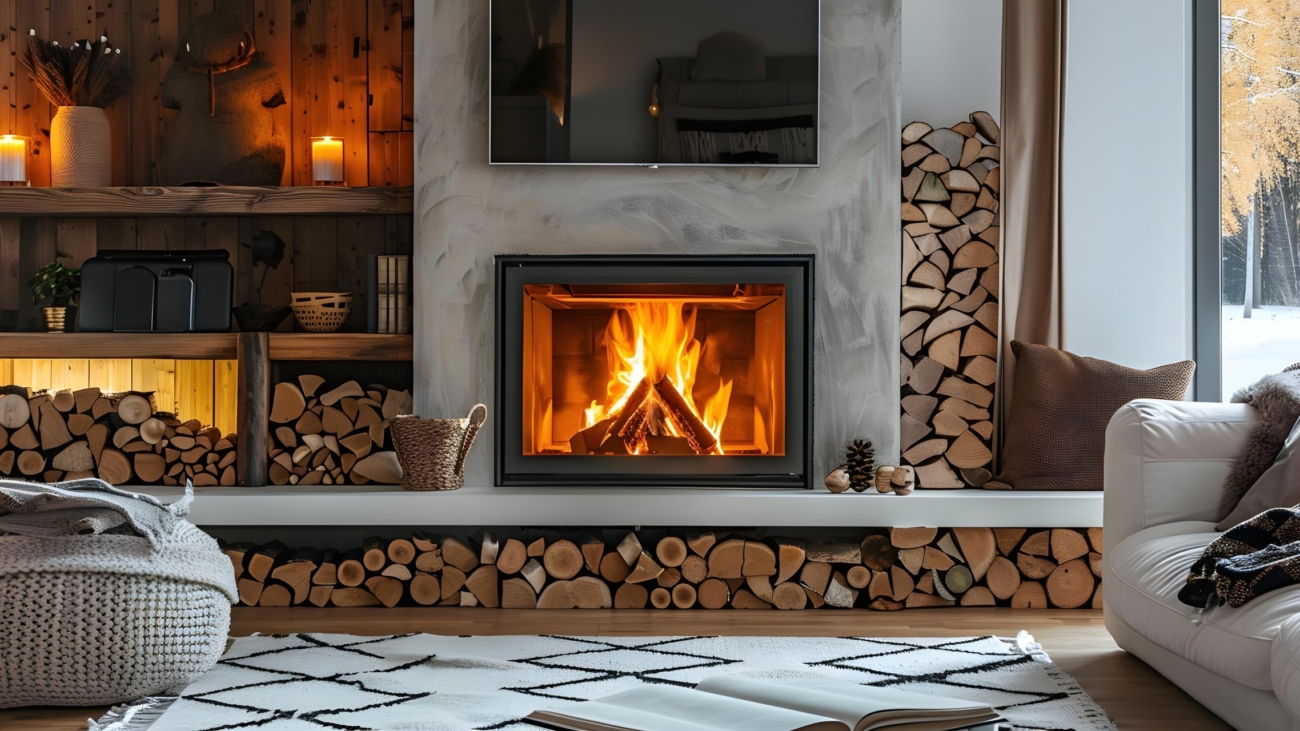
Tile is a timeless choice for fireplace surrounds, offering American homeowners countless ways to bring personality, texture, and visual interest into their living spaces. Whether the goal is a sleek contemporary centerpiece, a cozy traditional hearth, or a bold architectural feature, the right tile can transform an ordinary fireplace into one of the most memorable elements of a room.

One of the greatest advantages of tile is its incredible variety. Glossy finishes reflect light and create a polished appearance, while matte surfaces offer a softer, more understated look. Solid colors can establish a calm, cohesive backdrop, whereas patterned tiles introduce movement and character. Large-format tiles create a clean, expansive effect with fewer visible grout lines, while smaller pieces allow for intricate patterns and decorative details.

Material selection also plays an important role in defining the overall atmosphere. Handcrafted ceramic tiles bring an artisanal quality, with subtle variations in color and texture that make each installation feel distinctive. Natural stone offers organic veining and rich surface variation, creating a sense of depth and timeless elegance. Porcelain provides versatility and a wide range of finishes, making it suitable for everything from minimalist interiors to more decorative designs. For homeowners seeking a more luxurious statement, carefully detailed stonework can give a fireplace a refined, architectural presence.

The arrangement of the tiles is just as important as the material itself. A traditional offset pattern creates a familiar, relaxed appearance, while a straight-stacked layout introduces clean lines and a more contemporary feel. Herringbone adds movement and sophistication, and basketweave patterns bring a decorative touch that works particularly well in classic or transitional interiors. For something more expressive, geometric designs, checkerboard arrangements, mosaics, and contrasting stripes can turn the fireplace surround into a work of art.

Color can further influence how the entire room feels. Warm beige, cream, and earthy brown tones complement natural wood and create an inviting atmosphere. Deep green, navy, charcoal, and other saturated shades can make the fireplace feel dramatic and distinctive. Lighter colors help maintain an airy appearance, while contrasting grout can emphasize the shape and arrangement of individual tiles. The most successful combination is one that complements the room’s existing finishes while giving the fireplace its own identity.

Beyond its decorative appeal, tile can also influence the perceived proportions of a space. Extending the surround horizontally across a wider section of the wall can make the fireplace feel more substantial and visually anchor the room. Carrying the tile vertically toward the ceiling draws the eye upward, emphasizing ceiling height and creating a more dramatic architectural feature. These approaches can be particularly effective in living rooms where the fireplace serves as the primary focal point.

For a cohesive result, consider how the tile will interact with the mantel, flooring, wall color, lighting, and nearby furniture. A heavily patterned surround may benefit from simpler furnishings, while a restrained tile selection can provide the perfect foundation for an expressive mantel or sculptural accessories. Scale matters, too: the pattern should feel proportionate to the fireplace and the room rather than competing with the surrounding architecture.

Before choosing a design, make sure the selected tile, installation materials, and clearances are appropriate for the specific fireplace system. Heat exposure and manufacturer requirements can affect which materials and installation methods are suitable.

Ultimately, a tiled fireplace surround offers far more than a decorative finish. It creates an opportunity to introduce craftsmanship, reinforce your home’s design style, and give an everyday gathering place a stronger sense of character. From understated natural stone to intricate handcrafted patterns, the possibilities are extensive.

The right tile doesn’t simply frame a fireplace — it transforms the entire wall into a defining feature of your home.

Time for an Upgrade? Signs Your Windows and Doors Need Replacing

Windows and doors do more than shape the appearance of your home. They influence indoor comfort, energy efficiency, security, natural light, and even how a property is perceived by potential buyers. Although many products are designed to last for decades, everyday use, weather exposure, installation quality, and natural wear can gradually affect their performance.

So, how do you know when it is time for an upgrade? Whether you are planning a renovation, preparing to sell, or simply looking to make your home more comfortable, there are several situations when replacing your windows and doors may be worth considering.

1. You’re Planning a Home Renovation

A major renovation offers an excellent opportunity to rethink your home’s windows and doors. When updating rooms, redesigning the layout, or refreshing your home’s exterior, older windows and doors may no longer complement the new look.

Modern replacements can help create a more cohesive design, bring in additional natural light, improve access to outdoor spaces, and enhance curb appeal. Even a smaller remodeling project can benefit from thoughtfully selected windows or an updated entry door.

Why it matters: Coordinating window and door upgrades with other renovation work can create a more unified result and may help avoid repeating certain construction tasks later.

2. You’re Getting Ready to Sell Your Home

First impressions matter in real estate. Worn-out frames, outdated designs, visible damage, or windows that are difficult to operate can make a property feel less appealing to prospective buyers.

Replacing old windows and doors may give your home a fresher appearance while addressing practical concerns such as drafts, damaged hardware, or poor insulation. These improvements can help present the property in its best light and give buyers greater confidence in its overall condition.

However, replacement is not always necessary before listing. The potential return depends on local market conditions, the home’s existing features, the cost of the upgrade, and buyer expectations. In some cases, targeted repairs or simpler cosmetic improvements may be more cost-effective.

Why it matters: Before investing in replacements, compare the expected costs with the improvements that matter most to buyers in your area.

3. You’ve Just Purchased a New Home

Moving into a new home is an opportunity to make the space your own. While the property may look appealing at first, its existing windows and doors might not match your preferences for design, comfort, or functionality.

Replacing them before moving in can make the process more convenient, particularly if the project involves several rooms or requires interior finishing. You can choose styles that complement your furniture, architectural preferences, and plans for the property.

It is also a good time to inspect how well the existing windows and doors open, close, seal, and lock. If they are in good condition, a few adjustments or repairs may be all that is needed.

Why it matters: Evaluating these features early helps you prioritize improvements before everyday routines become established.

4. Your Windows or Doors Have Been Damaged

Severe storms, falling branches, accidents, attempted break-ins, and other unexpected events can compromise windows and doors. Cracked glass, bent frames, damaged locks, and broken seals may affect your home’s security, weather resistance, and comfort.

When damage occurs, assess the situation promptly. Secure the affected area safely and arrange professional repairs or replacement as needed. If the damage affects an exterior opening, temporary protection may be necessary until the work is completed.

Depending on your policy and the circumstances, homeowners insurance may cover some eligible damage. Review your coverage and document the damage before beginning permanent repairs when possible.

This is also a useful opportunity to consider stronger locking mechanisms, durable frame materials, and designs suited to the weather conditions in your region.

Why it matters: Restoring the integrity of damaged windows and doors helps protect your home from further exposure and supports household security.

5. You’re Experiencing Drafts or Rising Energy Bills

Do certain rooms feel colder in winter or warmer in summer? Do you notice air moving around closed windows and doors? These may be signs of worn weatherstripping, deteriorated seals, installation problems, or aging components.

Modern replacement products can offer improved insulation features, including insulated glass, low-emissivity coatings, and more effective sealing systems. When appropriately selected and installed, energy-efficient windows and doors can help reduce unwanted heat transfer and improve indoor comfort.

However, replacing windows and doors is not the only possible solution. Air leaks may sometimes be corrected by repairing seals, adjusting hardware, or improving insulation around the frame. Heating and cooling equipment, attic insulation, and other parts of the building envelope can also affect energy use.

Why it matters: Identifying the source of drafts before investing in replacements helps you choose an improvement that addresses the actual problem.

Other Signs It May Be Time for an Upgrade

Beyond these five common situations, watch for the following warning signs:

  • Difficulty opening or closing: Warped frames, worn hardware, or structural movement may interfere with normal operation.
  • Visible deterioration: Rotting wood, corrosion, peeling finishes, or damaged frames can indicate that repairs or replacement are needed.
  • Condensation between glass panes: This can signal a failed insulated-glass seal.
  • Persistent outside noise: Depending on the product and installation, upgraded windows may help reduce unwanted sound.
  • An outdated appearance: New styles, finishes, and configurations can complement a refreshed interior or exterior.
  • Insufficient ventilation or natural light: A renovation may present an opportunity to reconsider window placement or configuration, subject to applicable building requirements.

How to Decide Between Repair and Replacement

Not every problem requires a complete replacement. The right choice depends on the age and condition of the product, the type of damage, repair costs, and your long-term plans.

A professional assessment can help you determine whether a simple repair, new hardware, replacement glass, improved weatherstripping, or a full replacement makes the most sense.

When comparing products, consider more than appearance. Look at energy-performance ratings, frame materials, glass specifications, locking systems, maintenance requirements, warranty terms, and compatibility with your home’s architectural style.

For homes across the United States, local climate is another important consideration. Windows and doors suited to a hot, humid region may differ from those best suited to areas with freezing winters, strong winds, or frequent severe storms. Always check applicable building codes and energy requirements.

Make Your Next Home Improvement Count

Windows and doors play an essential role in how your home looks, feels, and functions. Replacing them at the right time can support comfort, improve everyday usability, refresh your property’s appearance, and address problems that repairs alone may not resolve.

Whether you are renovating, preparing to move, planning a future sale, or responding to visible damage, start by assessing the condition of your existing products and identifying your priorities.

With careful planning, appropriate product selection, and professional installation when needed, a window and door upgrade can become a practical investment in your home’s long-term performance and appeal.

Celebrate in Style: Special Savings on Milgard Patio Doors

A beautiful patio door can transform the way you experience your home. From creating a brighter living space to opening up views of your backyard or patio, the right design brings together style, functionality, and a stronger connection to the outdoors.

Across the United States, homeowners can explore a wide range of sliding patio doors and expansive moving glass wall systems to complement different architectural styles and living spaces. Seasonal promotions and manufacturer offers may also provide opportunities to explore upgrades while managing renovation costs.

Explore Patio Door Offers and Upgrade Opportunities

Whether you’re renovating an existing home or planning a larger improvement project, replacing an older patio door can be an opportunity to refresh your space and explore modern design options.

Depending on the products available, promotional offers may include special pricing, limited-time incentives, or other benefits on qualifying patio doors and moving glass wall systems. Offer terms, eligible products, and participation requirements vary by manufacturer and promotion.

Before making a purchase, review the official promotion details to understand the applicable conditions and confirm whether the offer is still available.

Find the Right Patio Door for Your Home

Choosing a new patio door involves more than appearance. Consider how the door will fit your space, complement your home’s design, and support your everyday needs.

  • Sliding patio doors: A practical option for many homes, with panels that move along a track without requiring additional swing space.
  • Moving glass wall systems: Expansive glass configurations that can create a more open connection between indoor and outdoor living areas.
  • Energy-conscious designs: Explore available glazing and frame options that may support indoor comfort and energy performance.
  • Style and finish choices: Compare frame colors, hardware, glass configurations, and other features to coordinate with your home’s interior and exterior.

The ideal choice depends on your available space, budget, architectural style, and performance priorities.

Make Your Next Home Improvement Project Count

A patio door replacement can be an opportunity to improve the appearance and functionality of your living space. Before choosing a product, compare available designs, review installation requirements, and request a detailed estimate that explains the products, labor, and other project costs.

If a manufacturer is offering a limited-time promotion, check its official website or consult an authorized participating dealer for current availability, eligibility requirements, and complete terms.

A New Perspective: Trending Window Ideas to Transform Your Home

Planning a home remodel is the perfect opportunity to rethink the details that shape your home’s character. Windows, in particular, can do much more than frame an outdoor view. They influence natural light, interior atmosphere, architectural style, energy performance, and curb appeal. Whether you prefer a subtle refresh or a bold design statement, the right replacement windows can give your home a fresh perspective without changing its entire structure.

Before choosing a style, consider your home’s architecture, the look you want to achieve, your budget, and the practical needs of each room. From sculptural bay windows to elegant arched designs and colorful frames, here are several window replacement ideas to inspire your next project.

1. Add Dimension With Bay and Bow Windows

If a flat exterior feels a little too ordinary, bay and bow windows can introduce depth, character, and a more interesting view. Both styles extend outward from the home’s exterior wall, creating an architectural feature that can make an interior feel more spacious and inviting.

Bay windows typically combine three or more window panels arranged at angles, often with a larger central window and narrower windows on either side. Their defined lines create a distinctive projection that works particularly well in living rooms, dining areas, kitchens, and bedrooms.

Bow windows feature several window panels arranged in a gentle curve. Their rounded appearance creates a softer architectural effect and can provide a wider panoramic view of the outdoors.

Depending on the design, either style can incorporate operable side windows to improve ventilation. The area beneath the window may also offer an opportunity to create a cozy reading nook, additional seating, or a decorative display space.

Design tip: Add a cushioned window seat, a few comfortable pillows, and layered lighting to turn the area into a welcoming corner for reading or relaxing. Before installation, confirm that the wall structure and exterior space can accommodate the projection.

2. Make a Statement With Arched and Circular Windows

Straight lines are not the only way to frame a view. Round, half-circle, arched, and radius windows introduce curves that soften the appearance of a room and create a distinctive architectural focal point.

These shapes can be installed above entry doors, paired with conventional rectangular windows, or used independently on a wall that would benefit from additional daylight. Arched windows can complement traditional and transitional homes, while simple circular designs can bring a playful or contemporary touch to modern interiors.

Gable windows are another option worth exploring. Positioned within the triangular section of a roofline, they can highlight the home’s architecture while bringing daylight into upper-level rooms or spaces with vaulted ceilings.

The key is to choose a shape that complements the existing structure rather than competing with it. A single curved window can create a memorable feature, while several carefully coordinated windows can establish a consistent design throughout the home.

Design tip: Consider placing an arched or half-circle window above a rectangular window or doorway to create a layered effect that feels both classic and distinctive.

3. Brighten Your Rooms With Transom and Clerestory Windows

When a room feels dark despite having conventional windows, adding glazing higher on the wall may be an effective design solution.

Transom windows are positioned above doors or other windows. They can bring additional daylight into entryways, hallways, home offices, and adjoining rooms without requiring a wider opening at eye level.

Clerestory windows are installed high on a wall, often near the roofline or beneath a vaulted ceiling. They are especially useful in spaces where privacy, furniture placement, or neighboring buildings limit the use of traditional windows.

In kitchens, high windows can bring daylight above cabinets or countertops. In living rooms and dining areas, they can emphasize ceiling height and create a more open atmosphere. Bathrooms may also benefit from high-set glazing when natural light is desired without sacrificing privacy.

For a more dramatic look, consider arranging multiple windows in a continuous row or combining different window sizes to create a carefully balanced composition.

Design tip: Plan the placement around the sun’s direction, privacy requirements, and the room’s intended use. High windows can brighten an interior while preserving valuable wall space for storage, artwork, or furniture.

4. Transform Your Exterior With Colorful Window Frames

Window frames are often treated as a finishing detail, but their color can significantly influence the appearance of a home’s exterior. Choosing a different frame finish is a simple way to introduce contrast, emphasize architectural lines, or create a more coordinated design.

White and neutral frames remain versatile choices, while darker finishes can add definition to contemporary homes. Warm tones may complement natural wood, brick, and stone, while contrasting colors can make windows stand out against lighter siding.

For example, dark frames against a light exterior can create a crisp, modern effect. Frames that closely match the siding can produce a more understated appearance, allowing landscaping and architectural features to take center stage.

Vinyl windows are one option to consider because they generally require relatively little maintenance and are available in a range of styles and finishes. Other materials, including fiberglass, wood, and aluminum, offer different aesthetic and performance characteristics.

Keep in mind that available colors, interior and exterior finish combinations, and maintenance requirements vary by product and manufacturer. Energy performance also depends on the entire window assembly, including the glazing, frame construction, seals, and installation quality.

Design tip: Before committing to a color, compare samples against your siding, roof, exterior trim, and interior finishes in different lighting conditions.

5. Choose Between Replacement Windows and New-Construction Windows

The right window design also depends on the type of remodeling work your home requires. Replacement windows and new-construction windows serve different installation needs, so understanding the distinction can help you plan your project more effectively.

Replacement windows are generally designed to fit into existing window openings, making them a common choice when updating older units without rebuilding the surrounding wall. The exact installation method depends on the condition of the existing frame and the requirements of the selected product.

New-construction windows typically include a frame or nailing flange intended to be integrated with the building’s exterior weather barrier. They are often used in new homes or remodeling projects that involve removing existing frames, rebuilding openings, or replacing exterior wall finishes.

Neither option is automatically better for every project. The appropriate choice depends on the condition of the existing structure, moisture management, the scope of the renovation, local building codes, and the manufacturer’s installation requirements.

A qualified installer can assess the opening and explain which approach is likely to provide the most suitable result.

6. Balance Design, Comfort, and Energy Efficiency

A beautiful window should also work well in everyday life. As you compare styles, consider how each option affects indoor comfort, maintenance, privacy, and energy use.

Here are several factors to keep in mind:

  • Natural light: Larger glass areas and thoughtfully positioned windows can make rooms feel brighter and more connected to the outdoors.
  • Ventilation: Operable styles, such as casement, single-hung, and double-hung windows, offer different ways to introduce fresh air.
  • Energy performance: Look for appropriate energy ratings, insulated glass, low-emissivity coatings, and effective weather seals.
  • Climate suitability: Window requirements vary across the United States, from hot and humid regions to areas with freezing winters, strong winds, or frequent storms.
  • Maintenance: Compare frame materials, finishes, cleaning requirements, and expected upkeep.
  • Privacy and safety: Consider window placement, glass options, locking mechanisms, and applicable safety requirements.

It’s also important to look beyond the product itself. Even high-performance windows may not deliver their intended benefits if they are poorly installed or if the surrounding wall has unresolved air leaks or moisture problems.

Find the Window Style That Fits Your Home

The best window replacement project combines personal style with practical improvements. Bay and bow windows can add depth, arched designs can introduce architectural elegance, and transom or clerestory windows can bring daylight into areas that need it most. Colorful frames offer another way to refresh your exterior without changing the home’s overall character.

Start by identifying what you want to improve: a darker room, an outdated exterior, limited ventilation, an obstructed view, or the overall appearance of your living space. Then compare window styles, materials, installation methods, and energy-performance features that align with your home’s design and your budget.

With thoughtful planning and professional installation when needed, replacement windows can help create a home that feels brighter, more comfortable, and more visually distinctive.

10 Interior Paint Colors That Transform Any Room

Let’s talk color! From bold, statement-making shades to soft, understated hues, color is becoming an increasingly exciting way to bring personality into American homes. Inspired by design movements around the world, evolving interiors, and the endless possibilities of the color wheel, today’s paint palettes offer something for every style and mood.

Whether you’re drawn to vibrant jewel tones, earthy greens, rich burgundy, warm terracotta, powdery pastels, or deep, dramatic blues, the right shade can completely change the way a room looks and feels. Color gives interiors a sense of identity, turning familiar spaces into environments that feel expressive, welcoming, and uniquely personal.

Across the United States, homeowners are exploring more creative ways to use paint. Instead of limiting color to the walls, they’re bringing it into cabinetry, doors, trim, built-in shelving, ceilings, and architectural millwork. A richly painted kitchen island can become a striking focal point, while a colorful front door adds character before guests even step inside. A soft, muted bedroom palette can encourage relaxation, whereas a saturated dining room can create an intimate atmosphere for entertaining.

The beauty of color lies in its versatility. You don’t need to redesign an entire home to make an impact. Sometimes, a single accent wall, a freshly painted vanity, or a contrasting set of interior doors is enough to give a room a completely new perspective. For those ready to make a bigger statement, combining complementary shades or layering different tones throughout an open-concept living area can create a cohesive design with plenty of personality.

Of course, choosing the perfect paint color involves more than finding a shade you love on a color card. Before opening the paint cans, it’s worth considering how color behaves in your particular space.

First, remember that color is personal. The same shade can look different to different people depending on their visual perception, preferences, and surrounding environment. One person may see a warm, inviting beige, while another notices its subtle yellow or pink undertones. When several people share a home, agreeing on the right shade can sometimes be just as challenging as choosing the furniture.

Lighting adds another layer of complexity. Natural daylight changes throughout the day, and a room facing north may reveal cooler undertones than a sun-filled room facing south. Artificial lighting can also influence how paint appears, with warm bulbs bringing out certain colors and cooler bulbs making others feel sharper or more subdued.

Room size, ceiling height, flooring, furniture, and nearby finishes all contribute to the final result. A deep, dramatic color may create a cozy atmosphere in a dining room but feel overwhelming in a small, dimly lit hallway. Meanwhile, a pale neutral that looks beautifully understated in a bright showroom might appear flat or cool in a room with limited natural light.

That’s why testing paint samples directly in your home is one of the most important steps in the process. Apply sample colors to different areas of the room and observe them throughout the day, from morning sunlight to evening illumination. If possible, look at larger sample boards so you can better understand how the shade interacts with your furnishings, flooring, and architectural details. Taking time to test before committing can help prevent costly repainting and disappointing results.

It’s also helpful to consider the atmosphere you want to create. Warm reds, oranges, and earthy browns can make a room feel energetic or intimate. Greens and blues often lend themselves to calmer, nature-inspired palettes. Creams, taupes, and muted pastels provide a softer foundation, while charcoal, plum, and deep navy can add drama and sophistication.

Most importantly, don’t feel obligated to follow every popular color trend. Trends can spark ideas, but the best palette is one that complements your home’s architecture and reflects the way you want to live. You might prefer a bold, colorful kitchen, a serene neutral bedroom, or a playful combination of shades throughout your living spaces. There is no single formula for creating a beautiful interior.

The goal is to use color with confidence, intention, and a little imagination. Explore unexpected combinations, experiment with finishes, and give yourself permission to move beyond familiar neutrals. Whether your style is bright and energetic, moody and dramatic, or soft and understated, the right paint can help your home tell its own story.

So, before you reach for the same shade you’ve used in every room, consider trying something different. A new color might be exactly what your space needs to feel fresh, distinctive, and entirely your own.

Inside Shorecliffs: A Stunning Main Living Space

Designed and built from the ground up in Southern California, this impressive two-story custom residence was created around one essential idea: bringing people together. With a growing family spanning multiple generations and a love for hosting memorable gatherings, the homeowners wanted a space that felt equally suited to intimate family moments, lively celebrations, and elegant philanthropic events.

The main floor became the heart of the home, with carefully planned gathering areas that encourage conversation, comfort, and connection. Rather than relying on one oversized seating arrangement, the living spaces feature distinct furniture groupings, each with its own character and purpose. Every arrangement makes a visual statement while contributing to the overall harmony of the great room. The result is an inviting environment where guests can mingle naturally, settle into comfortable conversations, or gather together for special occasions.

Throughout the residence, a rich palette of caramel-toned wood, plush upholstery, and thoughtfully selected natural materials creates a welcoming sense of sophistication. Warm wood finishes introduce depth and timeless appeal, while soft fabrics balance the architectural scale with a more relaxed, residential feel. Distinctive tilework and expressive stone surfaces add another layer of personality, bringing subtle variation, organic movement, and unexpected visual interest to the interiors.

One of the most compelling aspects of the design is the balance between traditional elegance and contemporary simplicity. Classic architectural details provide a sense of permanence, while modern forms, clean lines, and carefully chosen finishes keep the home feeling fresh. This combination allows the interiors to feel refined without becoming overly formal, making them just as comfortable for everyday living as they are for hosting larger gatherings.

The home’s generous proportions also create opportunities to introduce dramatic features without sacrificing warmth. Each room contributes to the larger design story, with materials, furnishings, lighting, and architectural elements working together to create a cohesive yet varied experience. Thoughtful contrasts prevent the interiors from feeling too uniform, while carefully coordinated finishes maintain a natural flow from one space to the next.

Ultimately, this style of American home design is about more than impressive rooms or beautiful finishes. It is about creating a setting that reflects the homeowners’ lifestyle, supports meaningful connections, and makes every gathering feel special. From relaxed afternoons with family to thoughtfully hosted evening events, the home offers a versatile backdrop for the moments that matter most.

The result is a timeless yet distinctive residence where comfort meets sophistication, traditional character blends with modern design, and every space is made for living well and entertaining beautifully.

A Fresh First Impression: Transform Your Home with New Windows and Doors

Your home makes an impression long before anyone steps through the front door. A tidy lawn, attractive windows, and a thoughtfully designed entrance can make an ordinary house feel inviting, cared for, and full of character. On the other hand, peeling paint, damaged glass, and neglected details can take away from even the most beautiful property.

Across the United States, curb appeal plays an important role in how homeowners present their properties, whether they are welcoming friends, preparing to sell, or simply taking pride in their surroundings. Among the most noticeable features are the front door and windows. They frame the home’s exterior, influence its overall style, and help set the tone for everything inside.

The good news? You don’t necessarily need a major renovation to make a difference. With a few practical improvements, some creative touches, and attention to detail, you can transform your home’s entrance into a space that feels fresh, attractive, and unmistakably yours.

Why Curb Appeal Begins at the Front Door

Think of your home’s exterior as its introduction to the neighborhood. The landscaping, siding, lighting, doors, and windows work together to create a first impression. When these elements complement one another, the entire property looks more polished and inviting.

Your front door naturally draws the eye, while your windows add balance, character, and visual interest. When both are clean, well-maintained, and suited to your home’s architectural style, they can make a remarkable difference.

Curb appeal is about more than appearances, too. Regular exterior maintenance helps homeowners notice developing problems, address minor damage, and keep essential features functioning properly. Whether you live in a classic suburban home, a modern townhouse, or a traditional American farmhouse, a welcoming exterior starts with thoughtful care.

1. Repair Before You Refresh

Before choosing new colors or decorative accessories, take a closer look at your doors and windows. Small issues can have a surprisingly large impact on your home’s appearance.

A cracked windowpane, a sticking door, peeling paint, or loose hardware can make an otherwise attractive entrance look neglected. Start by identifying the areas that need attention.

  • Repair or replace damaged window glass.
  • Check whether doors open, close, and latch smoothly.
  • Inspect window frames, seals, and surrounding trim for visible deterioration.
  • Make sure locks and other essential hardware function correctly.

If a door has started to sag or a window repeatedly sticks, the problem may involve the frame or underlying structure rather than the moving component itself. Addressing the cause can help prevent recurring issues.

For significant damage, consider consulting a qualified window or door professional to determine whether a repair or replacement is the better long-term solution.

2. Give Doors and Windows a Fresh Clean

Sometimes, the easiest way to improve curb appeal is to remove the dirt hiding beneath the surface. Dust, pollen, cobwebs, fingerprints, and weather residue gradually accumulate around entryways, especially in areas with changing seasons or frequent storms.

Begin with a soft brush or microfiber cloth to remove loose debris. Wash the front door with a suitable cleaning solution, paying attention to corners, decorative panels, handles, and trim. Use an appropriate glass cleaner on windows and glass inserts, following the manufacturer’s care instructions.

Don’t forget the surrounding details. Clean the doorframe, window sills, exterior trim, and nearby siding to create a consistent, refreshed appearance.

For stubborn grime on compatible exterior surfaces, a garden hose or carefully selected pressure-washing method may help. However, high-pressure water can damage painted finishes, wood, window seals, and delicate materials. Never direct a pressure washer toward glass, electrical components, or pets, and follow the manufacturer’s safety guidance.

A thorough cleaning can reveal just how much beauty your existing doors and windows still have to offer.

3. Don’t Overlook Window Screens

Window screens may seem like a minor detail, but damaged or discolored screens can make an otherwise well-kept home appear tired.

Inspect each screen for holes, bent frames, loose corners, and accumulated debris. Small tears may be repairable with a screen-repair kit, while extensive damage may call for replacement.

To clean them, remove the screens when practical and safe, brush away loose dust, and gently wash them with water and a mild cleaning solution. Rinse thoroughly and allow them to dry before reinstalling.

If you’re considering replacement screens, explore options suited to your home’s needs, including insect protection, durability, and solar heat reduction. The right choice depends on your climate, window type, and ventilation preferences.

Clean, intact screens help create a more finished exterior while keeping your windows ready for everyday use.

4. Make a Statement With Front Door Color

Your front door is an opportunity to express personality without changing the entire exterior of your home. A fresh coat of paint can create a striking focal point, especially when the color complements the siding, roof, trim, and surrounding landscape.

Consider these popular design directions:

  • Deep blue: A timeless choice that pairs beautifully with white, gray, and light-colored exteriors.
  • Classic red: Adds warmth, confidence, and a traditional American character.
  • Forest green: Creates a natural, understated look that works especially well with stone, brick, and landscaping.
  • Sunny yellow: Brings energy and brightness to neutral exterior palettes.
  • Charcoal or black: Offers a sophisticated contrast and suits many contemporary and traditional homes.

Before painting, confirm that the existing finish is suitable for repainting and choose an exterior product designed for your door’s material and exposure to the elements. Proper preparation is essential for a smooth, durable result.

You don’t have to follow color trends, either. The best shade is one that feels right for your home and creates the atmosphere you want visitors to experience.

5. Upgrade the Details That Make a Difference

Beautiful curb appeal often comes down to the smallest details. Door handles, locks, house numbers, mailboxes, and doorbells may not attract much attention individually, but together they help establish a consistent exterior style.

If your hardware is worn, corroded, or outdated, consider replacing it with pieces that complement your door and architectural design.

For a coordinated look, choose finishes such as matte black, brushed nickel, bronze, or polished brass. You can repeat the same finish across your door handle, house numbers, mailbox hardware, and exterior light fixtures.

House numbers deserve special attention. Select a style that complements your home, but make sure the numbers are easy to read from the street. Correct placement and sufficient contrast can make your property easier for guests and delivery drivers to identify.

A new doorbell can complete the update. Traditional models offer simplicity, while video doorbells may provide additional convenience and security features, depending on the model and installation.

These modest upgrades can give your entrance a more intentional, cohesive appearance without requiring an extensive renovation.

6. Bring Your Entryway to Life With Lighting

A beautiful entrance shouldn’t disappear after sunset. Exterior lighting improves visibility, highlights architectural features, and creates a welcoming atmosphere when friends and family arrive in the evening.

Wall sconces positioned beside the front door are a classic option. Pendant lights can work well beneath covered porches, while pathway lights help illuminate the route from the sidewalk or driveway to the entrance.

When selecting fixtures, consider the scale of your doorway, the height of your porch ceiling, and the overall style of your home. Warm lighting often creates a comfortable residential atmosphere, while clean-lined fixtures can complement contemporary architecture.

Also, inspect existing lights for damaged housings, loose fittings, or burned-out bulbs. Choose fixtures rated for outdoor use and suitable for your local weather conditions. For new wiring or more complex installations, consult a qualified electrician.

Well-planned lighting adds visual depth to your home’s exterior and helps make the entrance feel inviting long after daylight fades.

7. Add Seasonal Style Without Overdoing It

Seasonal decorations offer an easy way to keep your entryway feeling fresh throughout the year. The key is to create a thoughtful arrangement rather than crowding the space with too many accessories.

During spring, consider floral wreaths, pastel accents, and fresh greenery. Summer is ideal for colorful planters, lightweight door decorations, and simple arrangements inspired by the outdoors.

In autumn, pumpkins, textured wreaths, ornamental grasses, and warm-toned accents can create a cozy welcome. Winter decorations might include evergreen arrangements, understated lights, and festive seasonal displays.

You can also choose decorations that reflect your personal interests or the architectural character of your home. A simple wreath, attractive doormat, and pair of planters may be all you need.

Keep pathways clear, avoid blocking windows or door hardware, and select decorations that can withstand local weather conditions. A balanced arrangement will feel more inviting than an entrance overloaded with accessories.

8. Let Plants and Flowers Frame the Entrance

Greenery can soften hard exterior surfaces, introduce color, and connect your entryway to the rest of your landscaping. Even a small porch can benefit from a few carefully selected plants.

Choose flowers and greenery that complement your door color and exterior materials. For example, purple blooms can stand out against a yellow-toned door, while orange flowers can create a lively contrast with blue accents. White flowers and green foliage offer a more understated combination.

Hydrangeas, petunias, ornamental grasses, and compact evergreen plants are worth considering, depending on your region and growing conditions.

Before buying anything, assess how much direct sunlight your porch receives, whether the area is exposed to wind, and how frequently you can water the plants. Homeowners in hot, dry climates may need heat-tolerant varieties, while those in colder regions should consider seasonal temperatures and frost resistance.

Matching planters can help create a coordinated look, but different pot shapes and heights can also add visual interest when arranged thoughtfully.

The goal isn’t to fill every available space. It’s to introduce just enough greenery to make the entrance feel alive and welcoming.

9. Refresh the Walkway and Surrounding Exterior

Even the most attractive front door can lose its impact when surrounded by stained concrete, overgrown shrubs, or cluttered pathways.

Take a step back and look at the entire approach to your home. Sweep the walkway, remove weeds, trim plants that obstruct the entrance, and clear away unnecessary items. If the siding or trim looks dirty, clean it using a method appropriate for the material.

Pay attention to the transition between the driveway, walkway, porch, and front door. These areas should feel connected rather than crowded or neglected.

Depending on your home’s condition, you might also consider repainting exterior trim, refreshing porch railings, replacing worn house-number plaques, or repairing damaged steps.

Prioritize maintenance and safety before purely decorative changes. A stable walkway, secure railing, and well-maintained entrance contribute to a better experience for everyone visiting your home.

10. Choose a Welcome Mat That Works for Your Space

A welcome mat is a small accessory with both practical and decorative benefits. It provides a place for visitors to wipe their shoes and can help reduce the amount of dirt tracked indoors.

Choose a mat that fits comfortably within the entryway without obstructing the door’s movement. Look for a durable, weather-appropriate material that is easy to clean and provides adequate grip.

Design-wise, you can keep things simple with natural fibers, subtle patterns, or neutral colors. Alternatively, a seasonal design or playful message can add personality.

For a more layered look, some homeowners pair a larger outdoor rug with a smaller doormat. If you try this approach, make sure both layers remain flat and stable to minimize tripping hazards.

A well-chosen mat is a finishing touch that combines everyday function with a little personal style.

11. Keep Mailboxes and Entry Accessories in Good Shape

Your front entrance includes more than the door itself. Mail slots, wall-mounted mailboxes, parcel boxes, and other accessories contribute to the overall appearance of the property.

Check these features for rust, loose fittings, peeling paint, or visible damage. If a replacement is needed, select a style and finish that complement your door hardware and house numbers.

For homes with traditional curbside mailboxes, a fresh coat of suitable paint, a clean support post, and neatly maintained surrounding landscaping can make the entire front yard look more polished.

If you replace a curbside mailbox, check the applicable U.S. Postal Service requirements and any local restrictions before installing it. Placement and accessibility may be subject to specific rules.

Consistency is what matters most. When your mailbox, house numbers, door hardware, and exterior lighting share a complementary design language, the entrance feels thoughtfully finished.

12. Make the Porch Feel Like an Extension of Your Home

If your porch has enough space, consider treating it as an outdoor living area rather than simply a passage to the front door.

A pair of comfortable chairs, a small side table, or a porch swing can create a relaxed atmosphere. A compact bench may be a better fit for a smaller entrance, while a larger covered porch might accommodate a more complete seating arrangement.

Choose furniture that suits the available space and can withstand your local climate. Outdoor cushions, weather-resistant materials, and a few well-placed accessories can make the area feel comfortable without demanding extensive upkeep.

Keep the layout practical. Visitors should be able to reach the door easily, and furniture shouldn’t block steps, handrails, or accessible pathways.

A thoughtfully arranged porch adds character to the front of your home and creates a natural place to enjoy a quiet morning, watch the neighborhood, or greet arriving guests.

13. Know When It’s Time to Replace Your Doors or Windows

Cleaning, painting, and updating accessories can make a substantial difference, but some problems call for a more comprehensive solution.

If your windows have persistent drafts, damaged frames, recurring condensation between panes, or difficulty opening and closing, it may be worth arranging a professional assessment. Similarly, a front door that is significantly warped, deteriorated, poorly fitted, or difficult to secure may need more than a cosmetic refresh.

Modern replacement windows and doors are available in a wide range of materials, styles, finishes, and performance levels. Depending on the product and installation, an upgrade may improve comfort, ease of use, weather resistance, and energy performance.

When comparing options, consider your home’s architectural style, regional climate, maintenance preferences, budget, and applicable building requirements. Look for products with performance ratings suited to your location, including relevant energy-efficiency certifications and weather-resistance specifications.

Replacement isn’t automatically necessary just because a feature looks dated. Start by identifying the problem, exploring repair options, and comparing the long-term benefits of different solutions.

The right decision is the one that addresses your home’s actual needs while supporting its appearance and functionality.

14. Let Your Exterior Reflect Your Personality

Your home’s entrance tells a story about the people who live there. It can feel traditional, modern, playful, understated, or welcoming in a way that reflects your personal taste.

You don’t need an elaborate porch or an expansive front lawn to make that story memorable. Sometimes, a distinctive door color, a pair of planters, attractive lighting, and clean architectural lines are enough.

Consider the details that make your home unique. Perhaps you love natural materials, prefer a minimalist aesthetic, or enjoy decorating for the changing seasons. Bring those preferences into your exterior design while keeping the overall arrangement balanced.

The most successful curb appeal improvements aren’t necessarily the most expensive or dramatic. They’re the ones that make your home look cared for, feel inviting, and function well for everyday life.

A Fresh Perspective on Your Home’s Exterior

Improving curb appeal doesn’t have to mean starting from scratch. A weekend spent cleaning windows, repairing hardware, refreshing paint, or updating your porch can create a noticeable transformation. More substantial changes, such as replacing aging windows or installing a new front door, can build on those improvements when the time is right.

Start with the areas that need the most attention, set a realistic budget, and work toward a cohesive look. By combining regular maintenance with a few carefully chosen design updates, you can create an entrance that welcomes visitors and makes you proud to come home.

At A New View Windows & Doors, we believe the right exterior features can help bring out the best in your home. From windows and doors to shutters and shades, explore options that complement your property’s style and everyday needs.

Whether you’re planning a small refresh or considering a larger upgrade, a clearer view of your options is a great place to begin. Explore our website to learn more about window and door solutions, and request a free estimate to discuss possibilities for your home.

A more welcoming home starts with the details people notice first.

photo_2026-10-27_17-01-16

Cloud Dancer Takes the Spotlight as 2026’s Color of the Year

The wait is over: Cloud Dancer has been named Pantone’s 2026 Color of the Year. Soft, airy, and almost weightless, this delicate white captures a growing desire for calmer, more thoughtful interiors.

Rather than feeling stark or clinical, Cloud Dancer brings a sense of quiet to a room. It creates space for light, texture, creativity, and everyday living — making it a natural fit for the way many American homeowners are approaching interior design in 2026.

Why Pantone Matters

For anyone outside the design industry, Pantone may simply be a familiar name associated with color. In reality, its color system has become an important reference point for designers, manufacturers, brands, and creative professionals.

Different materials can interpret the same color very differently. A shade printed on paper may not look identical when applied to fabric, painted onto a wall, or incorporated into a manufactured product. Lighting, texture, and material can all influence how a color is perceived.

Pantone’s standardized color system helps create a common language for identifying and reproducing specific shades. Instead of relying on descriptions such as “soft white” or “warm blue,” designers can work with precise color references.

That consistency is especially valuable across the American design and manufacturing industries, where colors may appear in everything from furniture and textiles to paint, packaging, fashion, and home accessories.

Why Cloud Dancer Feels Right for 2026

Cloud Dancer represents more than another shade of white. Its appeal comes from the atmosphere it creates.

After years of bold colors, dramatic contrasts, and highly styled interiors, homeowners are showing renewed interest in spaces that feel peaceful and uncomplicated. Cloud Dancer fits naturally into that movement.

Its soft appearance can make a room feel brighter without creating the sharp, overly polished effect sometimes associated with pure white. It also provides a flexible foundation for introducing color, pattern, natural materials, and layered textures.

Think of it as a quiet backdrop rather than a statement that demands attention.

Bringing Cloud Dancer Into American Homes

The beauty of a soft white is its versatility. It can work across a wide range of American home styles, from contemporary apartments and suburban kitchens to traditional homes and relaxed coastal interiors.

Try Cloud Dancer on:

  • Walls for a light, open foundation
  • Kitchen cabinetry for a clean but softer look
  • Bedrooms where a peaceful atmosphere matters most
  • Laundry rooms to keep practical spaces feeling bright and inviting
  • Bathrooms paired with natural stone and warm metals
  • Children’s rooms combined with gentle pastels
  • Living spaces layered with wood, linen, wool, and other natural textures
  • Trim and architectural details for a subtle, cohesive finish

Cloud Dancer Doesn’t Have to Mean All White

One of the most exciting ways to use this color is by avoiding a completely white room.

Pair Cloud Dancer with muted greens for an organic feel. Add dusty blues for a relaxed atmosphere, warm terracotta for contrast, or soft pinks and lavender tones for something more playful.

Natural wood can introduce warmth, while brass and brushed metal finishes can add understated sophistication. Textured fabrics, woven accessories, stone, and handmade details can keep the palette from feeling flat.

The result is a layered interior where white becomes part of the story rather than the entire story.

A Softer Direction for 2026

Cloud Dancer arrives at a moment when many American interiors are moving toward greater simplicity, comfort, and individuality. It reflects a desire to create homes that feel less staged and more restorative — spaces where people can slow down, recharge, work, create, and simply be.

Whether used across an entire room or introduced through smaller details, Cloud Dancer offers a fresh starting point for 2026.

Sometimes the most powerful new beginning is a quiet one.

Inside Shorecliffs: Beautiful Bedrooms & Bath Spaces

This sophisticated bathroom brings together natural stone, warm metals, elegant lighting, and carefully balanced architectural details to create a space that feels both luxurious and inviting. Rather than relying on excessive decoration, the design lets the materials themselves become the focal point.

Large stone slabs extend across the vanity backsplash, countertops, and shower walls, creating a continuous display of dramatic natural veining. Matching the slabs across multiple surfaces gives the room a seamless, almost sculptural quality, while a streamlined vanity shelf allows the stone pattern to continue uninterrupted.

The vanity wall is designed around symmetry, with textured mirrors positioned on either side of a warm brass light fixture. The metallic finish adds a subtle glow against the cooler stone while bringing a refined, timeless quality to the space. Every element feels intentionally placed, creating a composition that is polished without becoming overly formal.

A freestanding soaking tub anchors the opposite side of the room. Set against a decorative marble backdrop, the tub becomes a natural focal point and introduces a subtle Art Deco influence. The patterned stone adds visual interest while complementing the larger-scale veining used throughout the space.

Above, a statement chandelier brings another layer of elegance. Cascading crystal details catch and reflect the light, creating a softer atmosphere and adding just the right amount of glamour. The effect is especially striking against the rich stone surfaces and warm metallic accents.

Underfoot, natural-toned flooring helps ground the room and balance the more decorative elements. Frosted glass doors provide privacy for adjoining areas while allowing light to move through the space, preserving the bathroom’s open and symmetrical feel.

The overall design demonstrates how a bathroom can feel elevated without becoming cold or overly elaborate. Natural materials provide depth, symmetry creates order, lighting adds warmth, and carefully selected decorative details bring personality. The result is a calm, luxurious retreat that feels thoughtfully designed for everyday life in an American home.